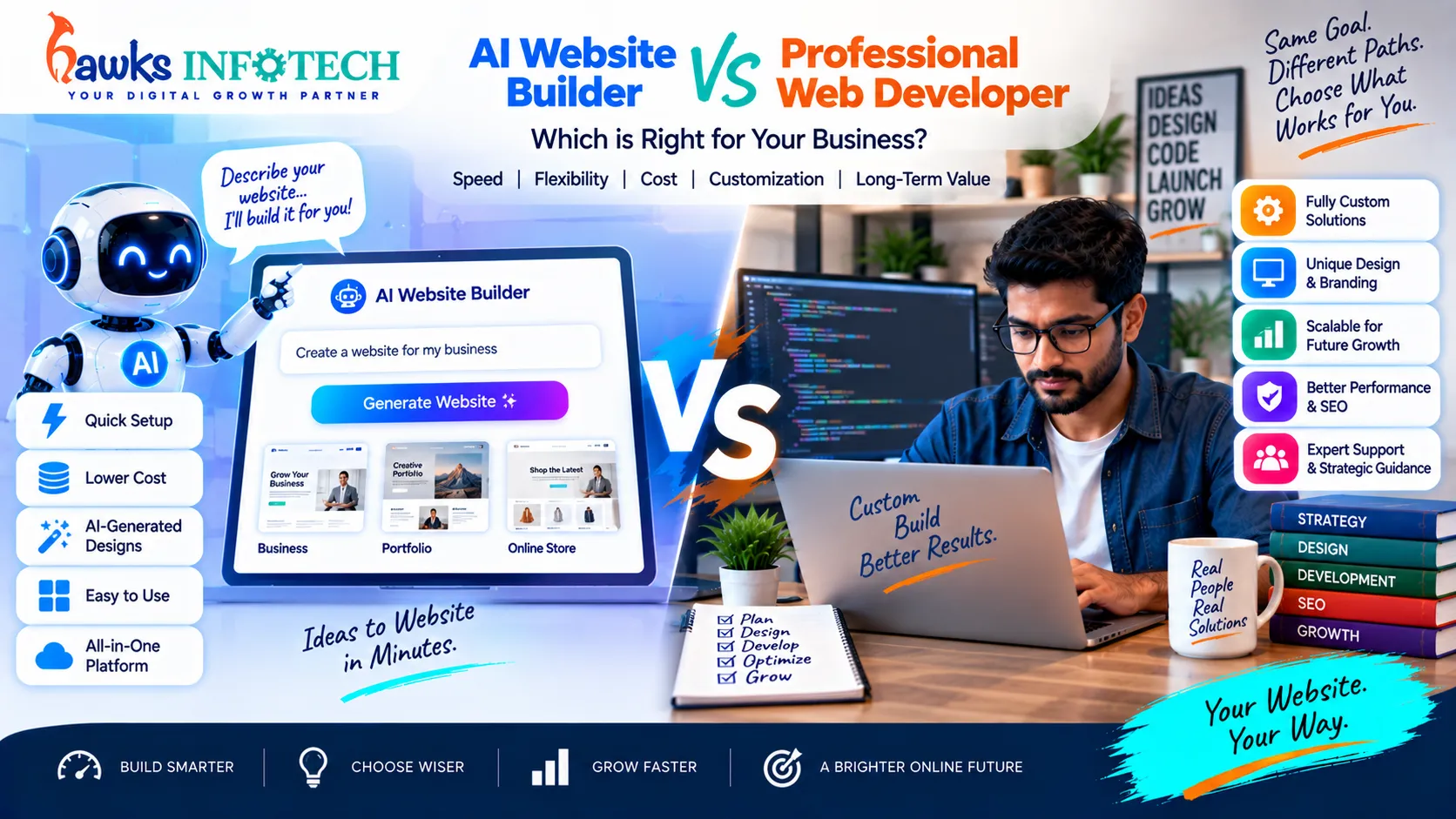
AI Website Builder vs Professional Web Developer
Should you build your business website using an automated AI site builder or hire a professional web developer? An unbiased, comprehensive breakdown of costs, SEO, scalability, and security.
Expert articles and technical strategies for Custom Website Development
Should you build your business website using an automated AI site builder or hire a professional web developer? An unbiased, comprehensive breakdown of costs, SEO, scalability, and security.
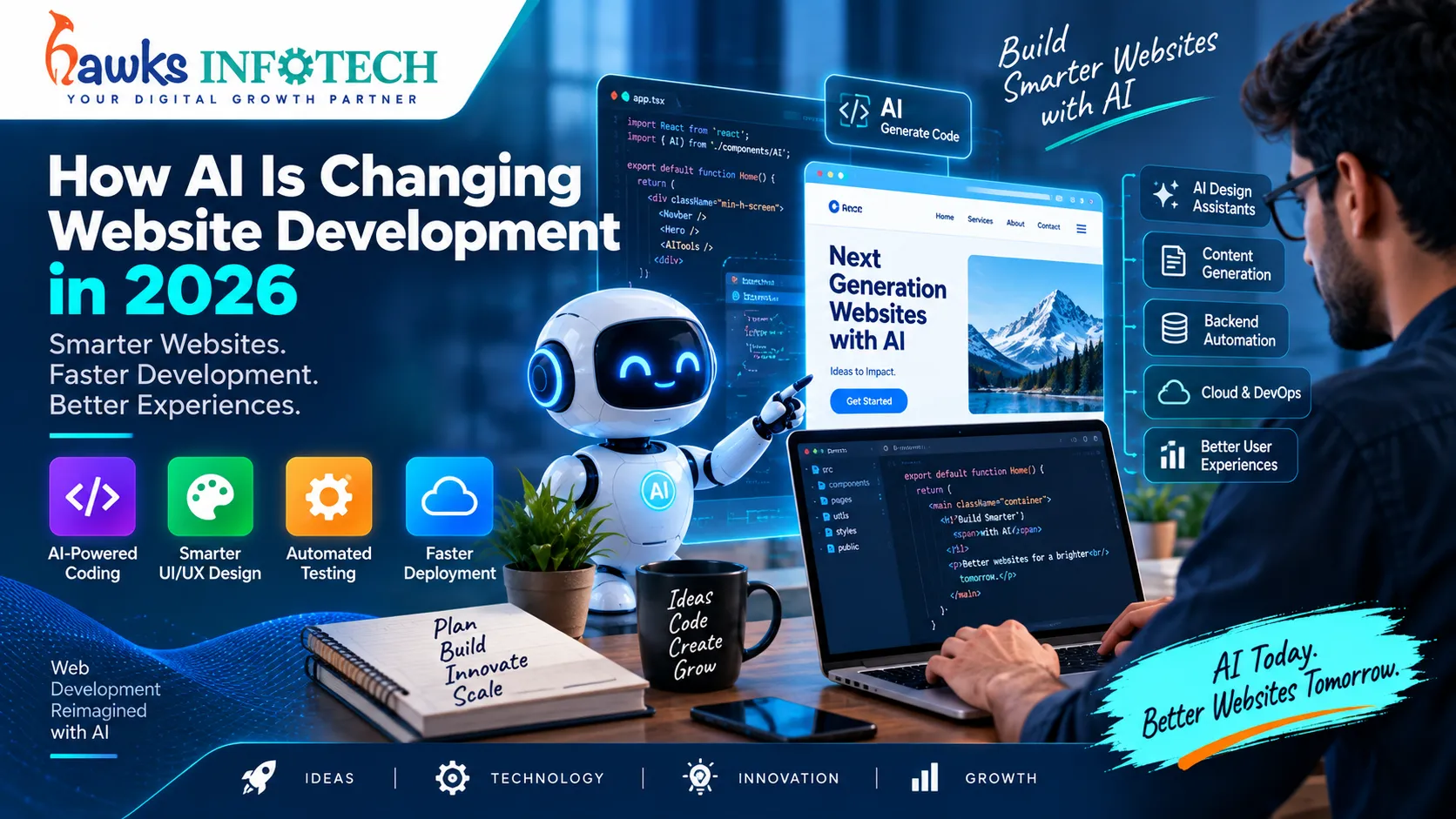
Explore how artificial intelligence is reshaping web development in 2026. From autonomous UI scaffolding and predictive performance tuning to dynamic personalization and code vulnerability scanning.
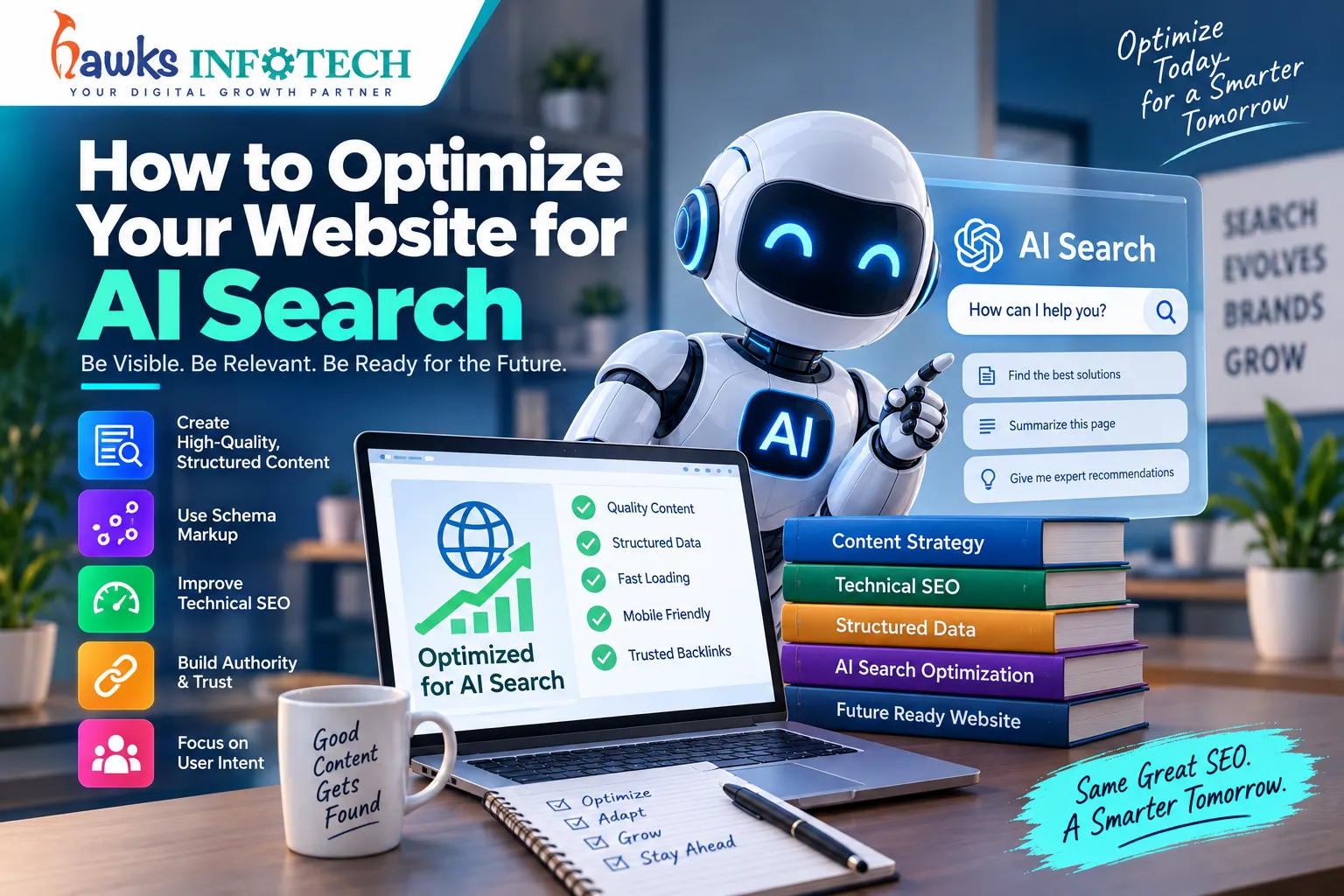
A step-by-step masterclass on optimizing web architecture, semantic HTML, structured entity data, and content formats to win citations in Google AI Overviews, Perplexity, and ChatGPT.
AI website development in 2026 combines generative AI algorithms with expert human software engineering. AI excels at rapid code scaffolding, automated accessibility testing, real-time dynamic content personalization, and predictive search indexing. However, expert human developers remain essential for custom business logic, cybersecurity hardening, brand originality, and technical SEO architecture.
Building a high-converting e-commerce website requires 5 core pillars: lightning-fast mobile page loads under 2 seconds, high-trust product pages with authentic UGC video reviews and clear stock scarcity, frictionless 1-click guest checkout supporting UPI / Apple Pay, transparent shipping costs displayed upfront, and automated multi-channel abandoned cart recovery via WhatsApp and email.
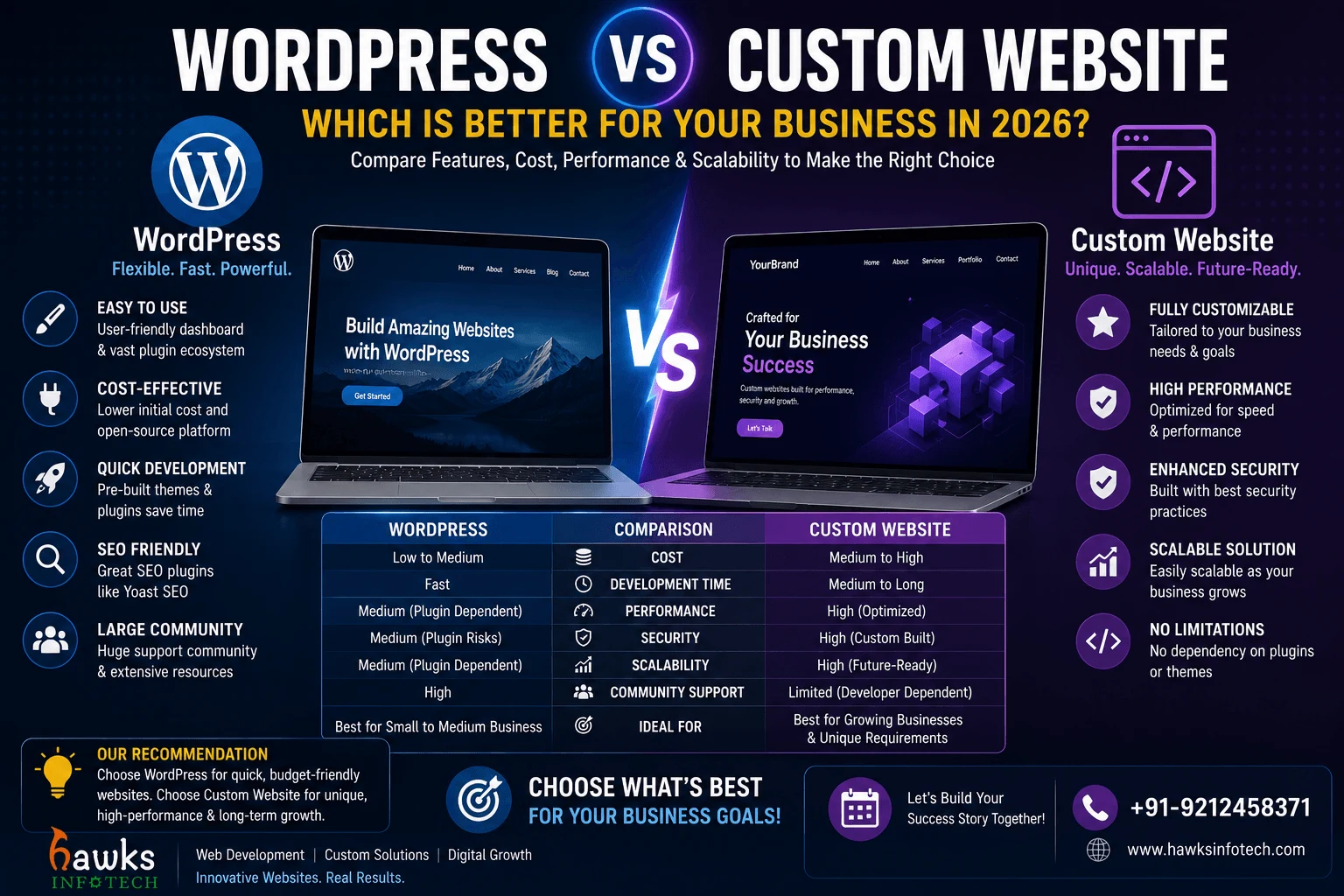
A **WordPress website** is ideal for content blogs, simple service sites, and businesses on a tight initial budget that need non-technical staff to publish weekly articles. A **custom-built website** (PHP/React/Node) is superior for high-performance enterprises, e-commerce, custom web applications, and businesses demanding sub-second load speeds, zero plugin bloat, and impenetrable cybersecurity.
A **website** is a multi-page digital hub designed for comprehensive brand storytelling, organic search (SEO), service exploration, and credibility. A **landing page** is a standalone, single-objective page engineered without navigational distractions specifically to convert paid ad traffic (Google Ads, Meta Ads) into immediate leads or sales.
Mobile-first website design is a development philosophy that designs the user experience for the smallest mobile screen first before progressively enhancing the layout for tablets and desktop monitors. In 2026, mobile-first design is mandatory because Google exclusively indexes the mobile version of websites, and over 80% of consumer purchase decisions happen on smartphones.
An honest, in-depth comparison between WordPress and custom-coded websites in 2026. Compare development costs, loading speed, security vulnerabilities, scalability, and long-term maintenance overheads.